Fireworks are more than just explosions of color lighting up the sky. There are different firework classifications based on how they’re used, who can handle them, and the kind of show they create. If you’re planning a display or just curious about the fireworks you see at big events, it helps to know the basic categories.
In this article, we’ll walk through the different classifications of fireworks — from the backyard-friendly to the high-powered professional types. Once you know the difference, you’ll be ready to choose the right ones for your next celebration!
Class C Fireworks (1.4G)
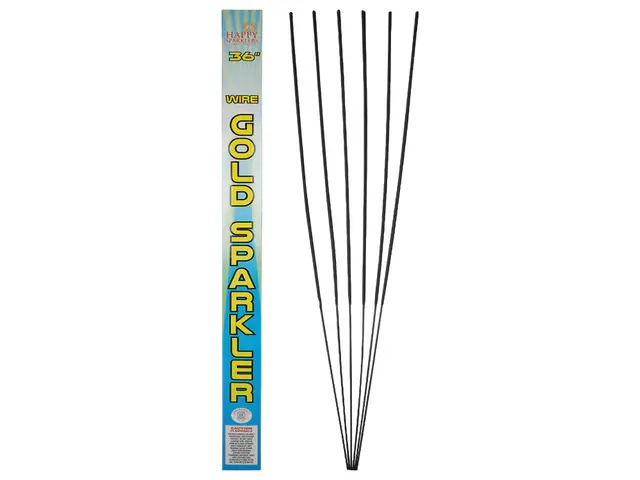
Let’s start with the fireworks most people are familiar with: Class C fireworks, also called 1.4G fireworks. These are the kinds available for public use, designed to be safe for consumers while still packing enough punch to create an exciting display.
Class C fireworks cover everything from sparklers to fountains and aerial shells. They don’t require any special permits or training, making them perfect for backyard shows. Plus, they offer a ton of variety, so you can mix and match different effects for a colorful night.
For example, according to the American Pyrotechnics Association, Class C fireworks account for about 95% of all fireworks sold in the U.S. during consumer holidays like the Fourth of July. Class C fireworks account for most of what you’ll find in consumer firework shops. In fact, over 258 million pounds of consumer fireworks were sold in the U.S. in 2022 alone.
- Sparklers. These handheld fireworks are a classic. Kids and adults alike love the fun of waving sparklers and watching the steady stream of sparks. They’re an easy way to add magic to any celebration.
- Fountains. Another popular choice, fountains stay on the ground, sending showers of sparks upward. With their long-lasting displays and colorful effects, they’re perfect for family gatherings that want to keep things safe but still dazzling.
Class B Fireworks (1.3G)
Class B fireworks, or 1.3G fireworks, are in a league of their own when it comes to power. These are the kinds of fireworks used for large-scale, professional displays. They pack a lot more explosive material than Class C fireworks, which is why you need a special permit and license to handle them.
Class B fireworks include the massive shells and mortars you see at big public events. These fireworks are all about high-flying bursts of color and sound, filling the sky with effects that can be seen from miles away. According to industry reports, a single Class B firework shell can weigh up to 60 pounds, with a burst radius of over 800 feet. That’s why they’re reserved for professionals who know how to handle them safely.
Class A Fireworks
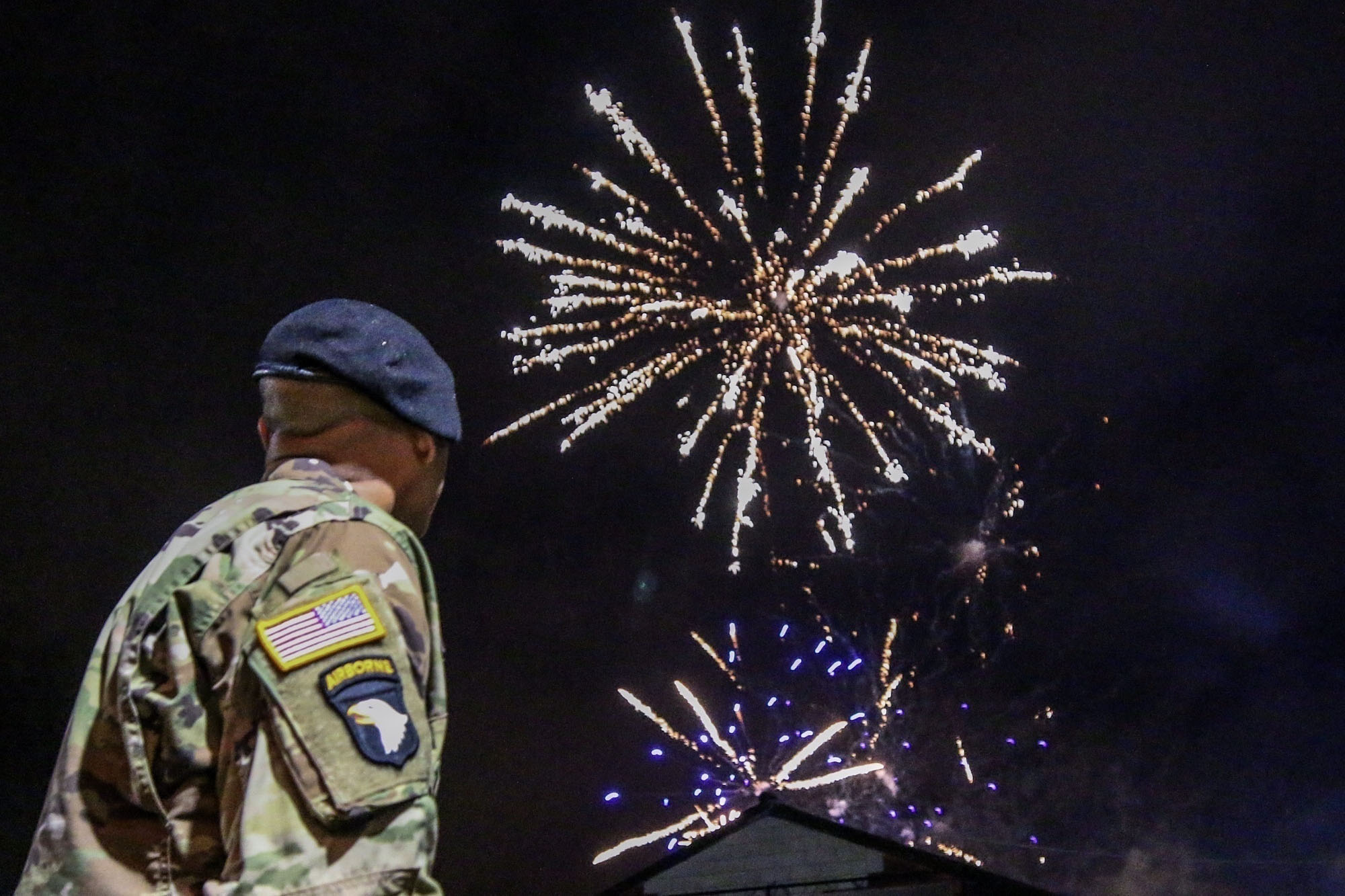
At the top of the classification chart are Class A fireworks, designed for industrial or military use. You won’t see these at your neighborhood fireworks display as they’re usually illegal, but they serve a specific purpose in areas like demolition, heavy pyrotechnic work, or even movie special effects.
Class A fireworks contain high amounts of explosives and aren’t meant for entertainment. These are the fireworks that might be used to blow up a structure during demolition or create large-scale effects on a movie set. Handling them requires specialized training, making them a class that most people won’t encounter in everyday life.
Indoor Pyrotechnics (Proximate Pyrotechnics)
Now, if you’ve ever seen fireworks indoors at a concert or a theatrical performance, you’ve experienced indoor pyrotechnics, also known as proximate pyrotechnics. These fireworks are specially designed to create effects in a confined space without the danger of large explosions or too much smoke.
Indoor pyrotechnics are carefully controlled and typically involve effects like sparks, small flame bursts, or tiny explosions. These are perfect for creating a wow factor indoors without putting anyone at risk. Of course, just like Class B fireworks, indoor pyrotechnics require trained professionals to handle them safely. If you’ve been to a big concert and seen the stage light up with fiery effects, you’ve seen indoor pyrotechnics in action.
Professional Display Fireworks
While Class B fireworks cover most large-scale shows, it’s worth highlighting professional display fireworks separately because of the skill and coordination involved. These are the fireworks that turn a night into a stunning, choreographed performance, often synced with music or a specific theme.
Professional display fireworks are typically set up with precision, using computer programs to time the explosions perfectly. These displays take months to plan, and the results are shows that leave the crowd in awe. With fireworks that can reach heights of over 1,000 feet and create massive bursts that span hundreds of feet, professional display fireworks are all about creating unforgettable moments.
Novelty Fireworks
On the other end of the spectrum are novelty fireworks, designed for fun and entertainment. These small, ground-based fireworks are safe and easy to use, making them perfect for families or smaller gatherings where you want something interactive without the intensity of bigger fireworks.
- Smoke Bombs. Smoke bombs release colorful clouds of smoke and are fun for daytime events. They come in a variety of colors, making them great for kids to enjoy or for adding some visual interest to outdoor gatherings.
- Snakes. These small fireworks grow into long, black “snakes” when lit. They’re low-key and great for keeping the little ones entertained without too much fuss.
- Crackling Balls. If you want something with a bit more pop, crackling balls are small but noisy fireworks that burst with crackling sounds as they spin on the ground. They’re a fun option for adding a little sound and action to your gathering.
Final Thoughts on Firework Classifications
Fireworks come in all shapes and sizes, and each classification serves a different purpose. Whether you’re picking up some Class C fireworks for a backyard party or admiring the Class B fireworks lighting up the sky at a big event, knowing the difference can help you choose the right ones for your needs. Remember, safety is always a priority, especially when dealing with fireworks of any kind.
At Missile Fireworks, we offer a wide selection of Class C fireworks that are perfect for any celebration. Visit our online store to browse our full range and make your next event one to remember!
FAQs
Can I buy Class B fireworks for personal use?
No, Class B fireworks require a special permit and can only be handled by licensed professionals due to their power and size.
What’s the main difference between Class C and Class B fireworks?
Class C fireworks are consumer-grade and safe for public use, while Class B fireworks are much more powerful and meant for professional displays.
Are novelty fireworks safe for kids?
Yes, novelty fireworks like smoke bombs and snakes are generally safe for kids with adult supervision. They’re designed to be fun without the risks of larger fireworks.
What fireworks are used in big city events?
Large public displays typically use Class B fireworks, known for their massive bursts and high altitude.
Do I need a permit for indoor pyrotechnics?
Indoor pyrotechnics require special handling and are usually reserved for professional events like concerts or theater performances. They aren’t for personal use.
More Questions
What are consumer-grade fireworks?
Consumer fireworks are 1.4G (formerly Class C), the fireworks sold to the public at stores like ours: cakes, fountains, roman candles, sparklers and more. Professional display fireworks (1.3G, formerly Class B) need a federal license.
What are Class A fireworks?
Class A is an old shipping label for the most powerful explosives. It isn't used for fireworks you can buy today; under the current system, consumer fireworks are 1.4G and display fireworks are 1.3G.
Come See the Full Selection
Browse our fireworks online and send an order request, then pay and pick up at any of our 3 Oklahoma stores.
🎇 Shop Now 💬 Ask Us a Question